Table of Contents
ToggleA leaking puddle under your dishwasher or a machine that won’t drain properly usually points to one culprit: the hose. Dishwasher hoses are among the most overlooked parts of kitchen plumbing, yet they’re responsible for moving hundreds of gallons of water in and out of the appliance every month. When they fail, you’re looking at water damage, mold growth, or a machine that simply won’t run. The good news? Most hose issues are straightforward to diagnose and fix, even for DIYers with basic hand tools. This guide walks through the types of dishwasher hoses, how to spot problems, and how to replace them without calling a plumber.
Key Takeaways
- A dishwasher hose is a critical component that delivers water in and carries wastewater out—supply hoses bring pressurized water while drain hoses remove dirty water through gravity and the pump.
- Braided stainless steel supply hoses are the most durable option and resist kinking and corrosion, though they cost more than reinforced rubber alternatives.
- Warning signs that your dishwasher hose needs replacement include visible cracks, slow drainage, pooling water underneath the appliance, and age beyond 10 years.
- Most homeowners can replace a dishwasher hose in 30 to 60 minutes using basic hand tools, starting with shutting off water and power before disconnecting the old hose.
- The drain hose must form a high loop or connect to an air gap per plumbing code to prevent wastewater from siphoning back into the dishwasher.
- Common issues like kinked drain hoses, loose clamps, and mineral buildup can often be fixed without replacement by straightening the hose, tightening clamps, or flushing with vinegar solution.
What Is a Dishwasher Hose and Why Does It Matter?
A dishwasher hose is the flexible conduit that connects your appliance to your home’s water supply and drainage system. There are two types: the supply hose (also called an inlet hose) brings clean water in, and the drain hose carries dirty water out to your sink drain or garbage disposal.
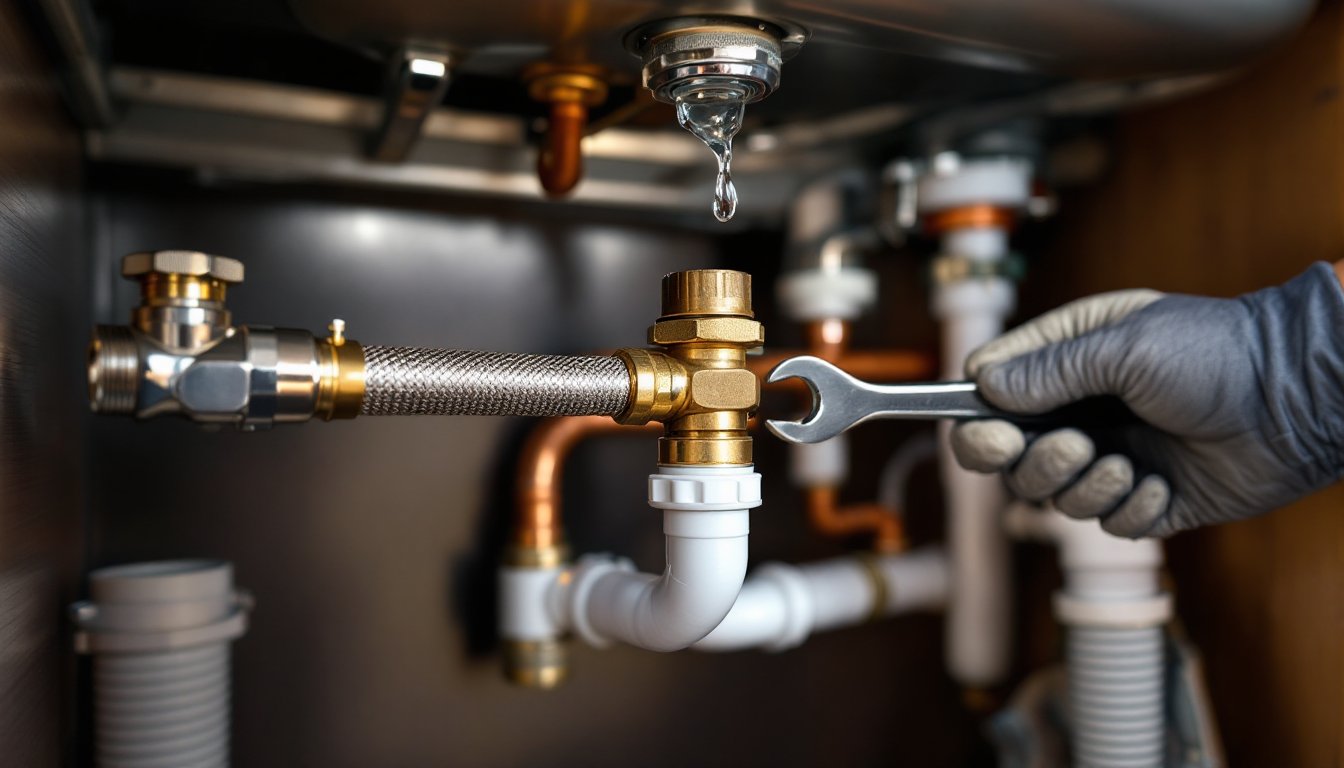
Most supply hoses are made from braided stainless steel or reinforced rubber and connect to a shutoff valve under the sink. They’re built to handle continuous water pressure, typically 20 to 120 psi, and are designed with burst-proof layers to prevent catastrophic leaks. Drain hoses, on the other hand, are corrugated plastic or rubber and rely on gravity and the dishwasher’s pump to move wastewater out.
Both hoses are critical to your dishwasher’s function. A faulty supply hose can flood your kitchen in minutes. A clogged or kinked drain hose leaves standing water in the tub, which turns into a breeding ground for bacteria and odors. Regular inspection of both hoses, ideally once a year, can save you from expensive water damage and appliance failure.
Types of Dishwasher Hoses: Which One Do You Need?
Not all dishwasher hoses are interchangeable. Knowing which type you need depends on whether you’re replacing a supply line or a drain line, and what materials are compatible with your plumbing setup.
Drain Hoses vs. Supply Hoses
Supply hoses deliver pressurized water from your shutoff valve to the dishwasher inlet. The two most common types are:
- Braided stainless steel hoses: These are the gold standard for durability. They resist kinking, corrosion, and bursting, and they’re rated for high water pressure. Expect to pay $15–$30 for a quality 6-foot hose. They’re a smart upgrade if your dishwasher still has the original rubber hose.
- Reinforced rubber hoses: Less expensive (around $8–$15), but more prone to cracking over time, especially if exposed to temperature swings or UV light under the sink. They’re fine for budget installs, but plan to replace them every 5–7 years.
Both types use a 3/8-inch compression fitting on one end and a 3/4-inch hose thread or another compression fitting on the dishwasher side. Always check your dishwasher’s manual or measure the existing connection before buying.
Drain hoses are simpler. Most dishwashers use a corrugated plastic or ribbed rubber hose with an inner diameter of 5/8 inch to 7/8 inch. Standard lengths range from 6 to 12 feet, though you can find extension kits if your sink drain is farther away. The dishwasher drain pipe connects to your sink’s tailpiece or garbage disposal via a hose clamp or snap-fit adapter.
One key code requirement: the drain hose must form a high loop or use an air gap (depending on local plumbing codes) to prevent wastewater from siphoning back into the dishwasher. If you’re installing a dishwasher yourself, this loop should reach at least as high as the underside of the countertop before descending to the drain.
Signs Your Dishwasher Hose Needs Replacement
Hoses don’t always fail with dramatic leaks. Sometimes the warning signs are subtle, and catching them early can prevent a flooded kitchen or a ruined floor.
Visible wear and tear: Pull the dishwasher out (or just peek underneath with a flashlight) and inspect the hoses. Look for cracks, fraying, bulges, or discoloration. Braided stainless hoses can fray at the crimped ends, while rubber hoses may show dry rot or soft spots. Any of these mean it’s time to replace.
Leaks or pooling water: Even a slow drip can signal a failing connection or a pinhole leak. Check under the dishwasher after a cycle. If you see moisture or standing water, trace it back to the hose fittings. Sometimes it’s just a loose clamp, but if the hose itself is wet, swap it out.
Dishwasher won’t drain completely: Standing water in the bottom of the tub after a cycle often points to a clogged or kinked drain hose. Pull the hose off and inspect for blockages, food particles, grease buildup, and even small utensils can get lodged in there.
Slow fill or low water pressure: If your dishwasher takes forever to fill, the supply hose may be clogged with sediment or mineral deposits, especially in areas with hard water. Disconnect the hose and flush it with water. If buildup is severe, replace it.
Age: Even if a hose looks fine, replace it every 10 years as a preventive measure. Rubber degrades over time, and the last thing you want is a burst hose when you’re not home.
How to Replace a Dishwasher Hose: Step-by-Step DIY Guide
Replacing a dishwasher hose is a straightforward job that takes about 30 to 60 minutes. You’ll need basic hand tools and a bucket. No permit required, and you won’t need to call a plumber unless you’re also relocating the appliance or modifying hard plumbing.
Tools and materials:
- Adjustable wrench or channel locks
- Flathead screwdriver
- Bucket or towels
- New hose (supply or drain, as needed)
- Hose clamps (if not included with the new hose)
- Teflon tape (for threaded connections)
- Safety gear: Work gloves, safety glasses
Step-by-step:
-
Shut off the water supply. Locate the shutoff valve under the sink (usually a small oval or lever valve on the hot water line). Turn it clockwise until it stops. If there’s no dedicated valve, you’ll need to shut off the main water supply to the house.
-
Disconnect the power. Unplug the dishwasher or flip the breaker. Some units are hardwired, so you may need to remove the junction box cover at the bottom front of the machine and disconnect the wires. Cap them with wire nuts while you work.
-
Pull the dishwasher out. Remove the screws securing the dishwasher to the underside of the countertop (usually two at the top corners). Gently slide the unit forward. You may need to adjust the leveling feet to clear the counter.
-
Remove the old hose. For a supply hose, use an adjustable wrench to loosen the compression nut at the shutoff valve and the connection at the dishwasher inlet (usually at the bottom left or right). Have a bucket ready, there will be residual water. For a drain hose, loosen the hose clamp at the dishwasher pump outlet and at the sink drain or disposal connection. Pull the hose free.
-
Install the new hose. For supply hoses, wrap the threads on the shutoff valve with Teflon tape (two to three wraps, clockwise). Hand-tighten the new hose, then give it another quarter-turn with a wrench, don’t overtighten or you’ll crack the fitting. For drain hoses, slide the new hose onto the pump outlet and the drain connection, then secure with hose clamps. Make sure the hose forms a high loop or connects to an air gap, per code.
-
Test for leaks. Slide the dishwasher back into place, but don’t secure it yet. Turn the water back on and run a short rinse cycle. Check all connections for drips. If you see any, tighten the fittings slightly.
-
Secure and reconnect power. Once you’ve confirmed no leaks, screw the dishwasher back to the countertop and restore power.
For more detailed installation steps, including how to route hoses and connect to different drain setups, refer to guides on properly positioning and securing hoses during installation.
Common Dishwasher Hose Problems and Quick Fixes
Even with a new hose, you may run into issues. Here’s how to troubleshoot the most common problems without replacing anything.
Kinked drain hose: If the dishwasher won’t drain, pull it out and check the drain hose for sharp bends. A kink can form if the hose was routed too tightly when the unit was installed. Straighten it out and use zip ties or clamps to secure it in a gentle curve.
Loose hose clamps: If you notice a slow leak at a connection, the clamp may have loosened over time due to vibration. Tighten it with a screwdriver. If the clamp is corroded or stripped, replace it with a stainless steel worm-drive clamp (around $1–$2 each).
Clogged drain hose: Disconnect the hose and run water through it with a garden hose or faucet. If water doesn’t flow freely, use a long bottle brush or a plumber’s snake to clear the blockage. Avoid using chemical drain cleaners, they can damage rubber and plastic hoses.
Air gap overflow: If water backs up through the air gap on your countertop, the problem is usually a clog in the drain hose or the garbage disposal connection. Remove the air gap cap, clean out any debris, then check the hose and disposal inlet.
Supply hose sediment buildup: Hard water can leave mineral deposits inside the supply hose, restricting flow. Disconnect the hose and soak it in a 50/50 solution of white vinegar and water for an hour, then flush thoroughly. If buildup is severe, replace the hose.
Noisy hose: A banging or rattling sound when the dishwasher fills or drains usually means the hose is vibrating against the cabinet or floor. Secure it with plastic or foam pipe hangers to dampen the noise.
Conclusion
Dishwasher hoses are small components with outsized consequences when they fail. Regular inspection, timely replacement, and proper installation keep your appliance running smoothly and your kitchen dry. Most homeowners can handle hose swaps with basic tools and an hour of work, no need to wait on a service call or pay diagnostic fees. Keep an eye on those connections, and you’ll avoid the headache of standing water or a surprise flood.