
Table of Contents
ToggleDeck railings don’t have to drain your wallet. Whether the existing railing is rotting, doesn’t meet code, or just looks dated, homeowners can find inexpensive deck railing solutions that deliver on safety, style, and durability. The trick is knowing which materials offer the best value and where to cut costs without cutting corners. From pressure-treated wood to reclaimed metal, there are plenty of ways to get a professional-looking result on a DIY budget. This guide covers 12 practical, budget-friendly deck railing ideas that work for most deck configurations, no specialty tools or advanced carpentry skills required.
Key Takeaways
- Cheap deck railing ideas can meet building code requirements while remaining budget-friendly by choosing materials like pressure-treated wood ($250–$400 for a medium-sized deck) or hog panels ($150–$250 for a 30-foot run).
- Hybrid approaches—combining affordable materials such as pressure-treated wood frames with pre-fabricated metal balusters or composite top rails—can cut costs by 30–40% while maintaining durability and visual appeal.
- Reclaimed materials like pallets, scrap metal, and tree branches offer near-zero material costs and unique character, though all railing options must still meet IRC spacing (4-inch maximum baluster gaps) and load requirements.
- DIY installation is the single biggest money saver; most deck railing projects require only basic tools and carpentry skills like measuring, drilling, and fastening with exterior-grade deck screws instead of nails.
- Painting or staining materials before installation, reusing existing posts, and bulk purchasing lumber can save an additional 10–15%, while skipping permits risks fines and complications during home sales.
Why Choose Budget-Friendly Deck Railings?
Cost is the obvious driver, but cheap doesn’t mean unsafe or ugly. Building codes, typically following IRC guidelines, require railings on any deck more than 30 inches above grade, with specific height (36–42 inches) and baluster spacing (no more than 4 inches apart) requirements. Meeting code is non-negotiable, but the materials used to get there can vary widely in price.
Budget railings make sense for several reasons. New homeowners often inherit decks with railings that are structurally sound but cosmetically worn. A fresh coat of paint or a simple wood replacement can extend the life of the deck for years. DIYers on a timeline benefit from affordable materials that install quickly, pressure-treated lumber and basic metal balusters go up faster than custom cable or glass systems. And for rental properties or flip projects, where return on investment matters, an inexpensive railing that looks clean and meets code is the sweet spot.
Another factor: material availability. Lumber prices fluctuate, but standard dimensional lumber (2x4s, 2x6s, 4x4s) is almost always in stock at big-box stores. Specialty railing systems often require ordering, lead times, and freight fees. Sticking with common materials keeps the project moving and the budget predictable.
Wood Deck Railing Options That Won’t Break the Bank
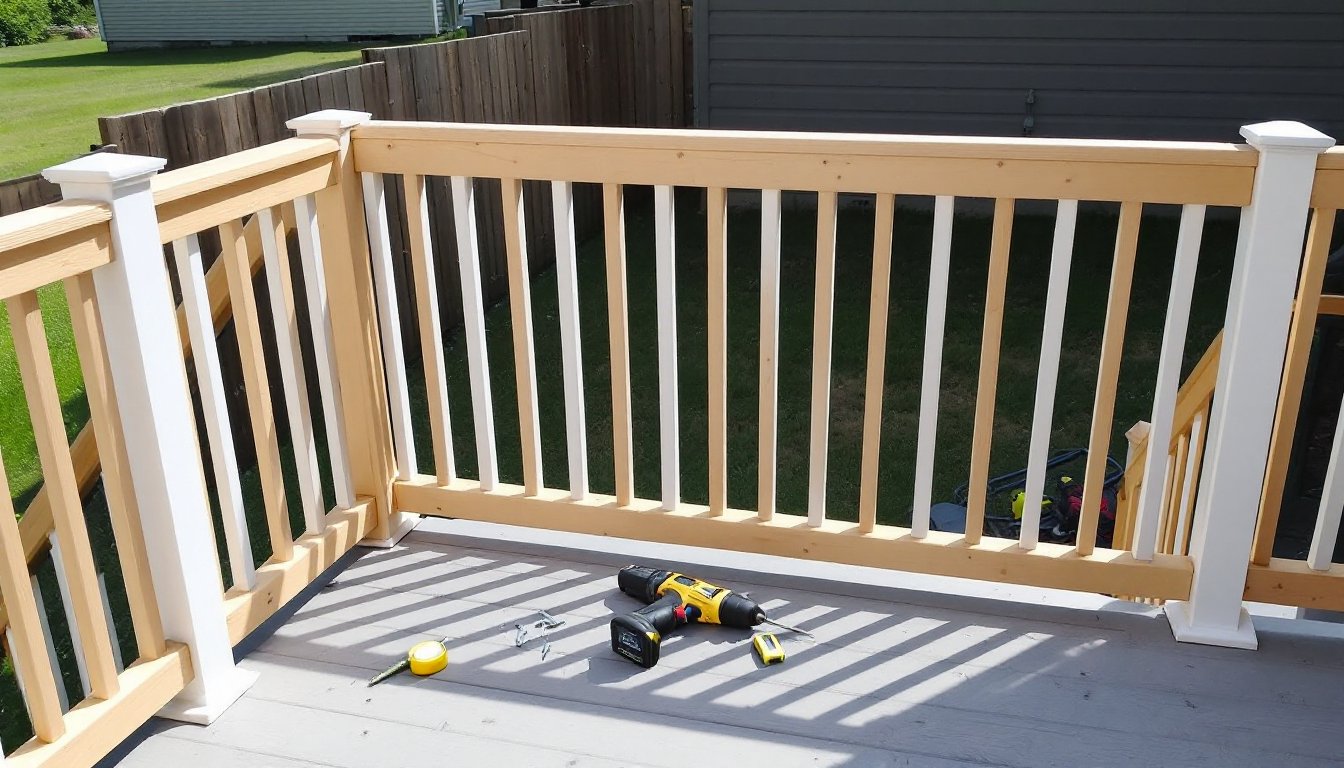
Pressure-treated pine is the workhorse of budget deck railings. It’s rot-resistant, widely available, and costs a fraction of cedar or composite. A typical 8-foot 2×4 runs $6–$10 depending on region and grade. For a standard 10×12 deck with three open sides, expect to use around 12–15 balusters per section, plus top and bottom rails and posts.
Here’s a basic material breakdown for a 30-foot railing run:
- 4×4 posts (every 4–6 feet): $12–$18 each
- 2×6 top rail: $10–$14 per 8-foot length
- 2×4 bottom rail: $6–$10 per 8-foot length
- 2×2 balusters (spaced 4 inches on center): $3–$5 each
Total material cost for a simple wood railing system: $250–$400 for a medium-sized deck, depending on local lumber prices and whether the homeowner does the cutting and installation.
Cedar is another solid choice if the budget allows a slight upgrade. It resists rot naturally, looks better straight out of the lumberyard, and weathers to a silvery gray without treatment. It costs about 30–50% more than pressure-treated pine, but the aesthetic payoff is worth it for decks visible from the street or entertaining areas.
For a modern twist, consider horizontal wood slats instead of traditional vertical balusters. This style uses fewer pieces of lumber, typically 1x4s or 1x6s laid flat with small gaps, and creates a sleeker, contemporary look. It’s also easier to clean: horizontal slats don’t trap leaves and debris the way closely spaced vertical balusters do. Just confirm with local code that horizontal railing meets the 4-inch sphere rule (a 4-inch ball shouldn’t pass through any opening).
Pro tip: Buy lumber in person and hand-select straight boards. Twisted or warped balusters create gaps and alignment headaches during installation. Spend an extra 15 minutes in the yard picking good stock, it saves hours of frustration later.
Affordable Metal and Wire Railing Solutions
Pre-fabricated metal balusters (often aluminum or powder-coated steel) offer a clean, low-maintenance look without the premium price of full cable or glass systems. These kits typically include balusters, mounting hardware, and sometimes rail brackets. Costs run $15–$30 per linear foot installed, compared to $50+ for cable railing.
Metal balusters pair well with wood top and bottom rails. The homeowner builds the frame from pressure-treated or cedar lumber, then installs pre-drilled metal balusters into routed channels or surface-mount brackets. This hybrid approach keeps costs down while delivering a more polished appearance than all-wood construction.
Hog panel railing is a DIY favorite for farmhouse and modern industrial styles. Hog panels (also called cattle panels or welded wire fencing) are galvanized steel grids with 4×4-inch or 2×4-inch openings. A 16-foot 4×4-inch hog panel costs around $25–$40 at farm supply stores. Cut to length and framed with wood posts and rails, these panels create sturdy, code-compliant railings with minimal fabrication.
Installation is straightforward:
- Build a wood frame using 4×4 posts and 2×4 rails.
- Cut hog panels to fit between posts using bolt cutters or an angle grinder.
- Secure panels with fence staples or U-brackets on the inside of the rails.
- Paint or stain the wood: the galvanized panel can stay as-is or be spray-painted for a uniform look.
Total cost for hog panel railing on a 30-foot run: $150–$250 including wood framing.
Conduit railing (EMT electrical conduit used as horizontal rails) is another budget hack. ¾-inch or 1-inch EMT costs about $6–$10 per 10-foot length. Drill holes through wood posts, thread the conduit through, and secure with set screws or end caps. It’s clean, industrial, and passes code when spaced correctly. Many DIY tutorials show step-by-step conduit railing builds using basic tools.
Safety note: Always wear gloves and safety glasses when cutting metal. Use a metal file or deburring tool to smooth sharp edges on cut conduit or hog panel.
Creative DIY Deck Railing Ideas Using Reclaimed Materials
Reclaimed materials can cut costs to near zero while adding character that new lumber can’t match. Old pallets are the go-to source. Hardwood pallets (oak, maple) disassemble into usable boards for balusters or infill panels. Heat-treated pallets (stamped “HT”) are safe for outdoor use: avoid chemically treated pallets marked “MB.”
To build pallet railing:
- Disassemble pallets with a pry bar or reciprocating saw (wear gloves, nails are everywhere).
- Sand boards to remove splinters and rough edges.
- Cut to length and install as vertical balusters or horizontal slats.
- Seal with exterior stain or paint to protect against moisture.
Cost: $0–$50 for fasteners and finish, assuming free pallet access.
Reclaimed metal (old pipes, rebar, bed frames) works for industrial or eclectic designs. Salvage yards and Craigslist often list scrap metal for $0.50–$1 per pound. Welding isn’t required, drill and bolt connections work fine for non-structural infill. Just ensure any metal is rust-free or treat with a rust converter and outdoor paint.
Tree branches or saplings create rustic railing infill, especially for cabins or woodland settings. Cedar, willow, or birch branches (2–3 inches in diameter) can be cut to length and installed as vertical or diagonal elements. Strip the bark, let the wood dry, then seal with outdoor polyurethane. This approach works best for low-traffic decks where aesthetics outweigh longevity.
Rope railing is another low-cost option. Marine-grade polyester or nylon rope (1–1.5 inches thick) runs about $1–$2 per foot. Drill holes through posts, thread the rope, and secure with knots or eye bolts. It’s nautical, flexible, and budget-friendly, though it requires periodic tightening as rope stretches over time. Many creative deck projects feature rope railing in coastal or cottage-style builds.
Code compliance caveat: Reclaimed and DIY railings must still meet spacing and load requirements. Test any unconventional material by applying outward pressure (200 pounds at the top rail per IRC). If it flexes more than a few inches or feels unstable, reinforce or redesign.
Low-Cost Vinyl and Composite Railing Alternatives
Vinyl railing kits offer maintenance-free performance at entry-level prices. Basic white vinyl systems cost $20–$35 per linear foot for materials, comparable to mid-grade wood but with zero staining or sealing required. Vinyl won’t rot, splinter, or need repainting, just an occasional rinse with a hose.
Installation is DIY-friendly. Most kits use hollow vinyl posts that sleeve over a pressure-treated 4×4 core for strength, plus snap-together rails and balusters. A miter saw and drill are the only tools needed. The downside: vinyl can look plasticky up close, and color options are limited (white, tan, gray). It’s ideal for rental properties or quick flips where low maintenance trumps aesthetics.
Composite railing (wood fiber and recycled plastic) splits the difference between wood and vinyl. It mimics wood grain, resists fading, and costs $25–$45 per linear foot. Brands like Trex and TimberTech dominate, but big-box store house brands (like Veranda at Home Depot) offer similar performance for 20–30% less.
Composite railing uses aluminum or composite posts, composite top and bottom rails, and either composite or aluminum balusters. It’s heavier than vinyl, so installation takes longer, but the finished look is closer to painted wood without the upkeep.
Budget hack: Mix materials. Use composite or vinyl for the top rail (where hands touch and weather hits hardest) and pressure-treated wood for posts and balusters. This hybrid cuts costs by 30–40% while keeping the most visible and wear-prone component low-maintenance.
Installation note: Composite and vinyl expand and contract with temperature changes. Follow manufacturer specs for gap spacing between rail sections, typically ⅛ inch per 10 feet. Skipping this step leads to buckling in summer heat.
Money-Saving Tips for Installing Your Deck Railing
Labor often costs more than materials, so DIY installation is the single biggest money saver. Most railing systems install with basic carpentry skills: cutting to length, drilling pilot holes, and driving screws. A cordless drill, miter saw (or circular saw with a speed square), level, and tape measure cover 90% of the work.
Measure carefully. Railing posts must be spaced evenly and plumb. Use a string line to mark post locations, then double-check with a level before securing. Off-plumb posts create gaps in balusters and make rails wobble.
Buy materials in bulk. Lumber yards often discount orders over a certain dollar amount. Buying all materials for the railing (and maybe the deck itself) in one trip can save 10–15%. Ask about contractor pricing, many yards extend it to serious DIYers.
Reuse existing posts. If the current posts are solid and meet code, strip the old railing and build new infill around the existing structure. This cuts material costs and installation time by half. Just inspect for rot or insect damage, wiggle the post and probe with a screwdriver. Soft or spongy wood means replacement.
Paint or stain before installation. Coating balusters, rails, and posts while they’re laid flat is faster and gives better coverage than brushing around installed pieces. Just touch up cut ends and screw holes after assembly.
Use deck screws, not nails. Nails loosen over time as wood expands and contracts. Exterior-grade deck screws (2.5–3 inches for rail-to-post connections, 1.5–2 inches for balusters) hold tighter and allow for disassembly if repairs are needed later. Stainless steel or coated screws resist rust.
Don’t skip the permit. Some jurisdictions require permits for deck railing replacement, especially if the deck is more than 30 inches high or if the homeowner is adding a railing where none existed. A permit costs $50–$150, but it ensures the work meets code and avoids fines or complications during a home sale. Call the local building department before starting.
Add a railing table. For decks near grills or entertaining zones, a fold-down railing table adds function without taking up floor space. Built from scrap 2x4s and a piano hinge, it’s a $20 upgrade that makes the railing work harder.
Conclusion
Building an inexpensive deck railing doesn’t mean settling for a flimsy or dated look. Whether choosing pressure-treated wood, metal balusters, reclaimed materials, or vinyl, homeowners can hit code requirements and personal style goals without overspending. The key is planning carefully, buying smart, and doing the installation work. With the right approach, a safe, attractive railing upgrade is within reach on almost any budget.