Table of Contents
ToggleIndoor air quality isn’t just about allergies anymore, it’s about comfort, energy efficiency, and year-round breathability. An air purifier fan combines two essential functions in one unit: filtering out airborne pollutants while circulating air throughout the room. Instead of running separate devices that hog outlets and floor space, a fan air purifier combo handles both jobs. Whether you’re dealing with pet dander, seasonal pollen, or stale workshop air, understanding how these hybrid units work and where they fit in your home can simplify your setup and improve the air you breathe every day.
Key Takeaways
- An air purifier fan combines filtration and circulation in a single unit, eliminating the need for separate devices and saving space, energy, and power outlets.
- HEPA filters rated H13 capture 99.97% of particles as small as 0.3 microns, while activated carbon layers absorb odors and volatile organic compounds for comprehensive air quality improvement.
- Match your air purifier fan’s CADR rating to your room size—aim for at least 120 CFM in a 150-square-foot bedroom and oversize slightly for high-dust workshops or open-plan spaces.
- Strategic placement 3–4 feet from your bed or across from work areas, combined with proper maintenance (washing pre-filters every 2–4 weeks and replacing HEPA filters every 6–12 months), maximizes effectiveness.
- While air purifier fan combos excel at handling everyday allergens and pet dander, dedicated purifiers with higher CADR ratings outperform them for extreme conditions like wildfire smoke or construction dust.
What Is an Air Purifier Fan and How Does It Work?
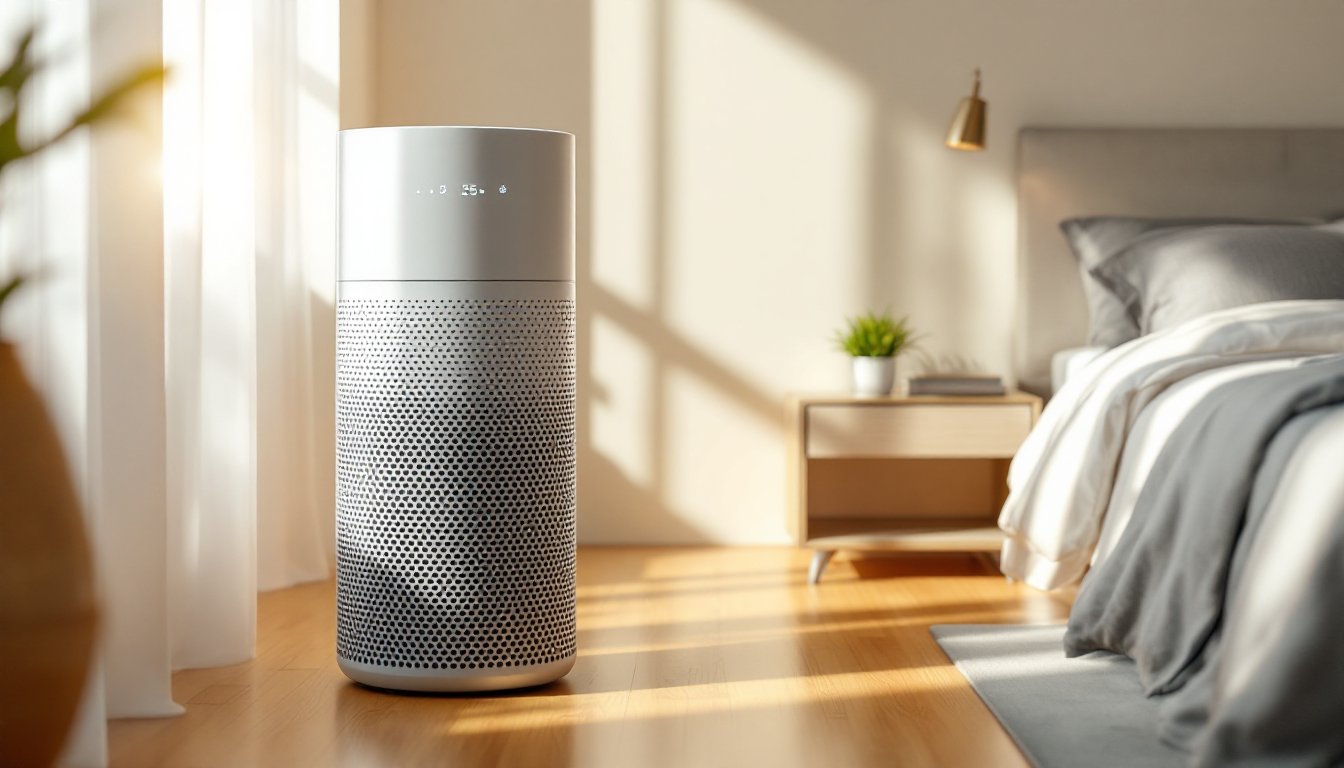
An air purifier and fan is a dual-function appliance that pulls air through a filtration system while simultaneously circulating it back into the room. Unlike a standard air purifier that focuses solely on trapping particles, or a traditional fan that just moves air around, an air purifier fan combo does both in a single housing.
Most units use a multi-stage filtration process. Air enters through an intake grille, passes through a pre-filter (which catches larger particles like dust and hair), then moves through a HEPA filter (capturing particles as small as 0.3 microns, including pollen, mold spores, and pet dander). Some models add an activated carbon layer to absorb odors and volatile organic compounds (VOCs). After filtration, a built-in fan pushes the cleaned air back out, creating circulation that helps distribute purified air across the room.
The fan component usually offers variable speed settings, letting you prioritize quiet operation during sleep or ramp up airflow when you’re running a sander in the garage. Airflow is measured in CFM (cubic feet per minute), higher CFM means faster room turnover. For a 150-square-foot bedroom with 8-foot ceilings, you’d want a unit rated for at least 120 CFM to achieve multiple air changes per hour.
Some air purifier fans use bladeless designs (popularized by certain brands) that draw air through the base and project it in a smooth stream, reducing turbulence and noise. Others use traditional bladed fans housed behind the filter assembly. Both approaches work: the choice comes down to noise tolerance and aesthetic preference.
Key Benefits of Using an Air Purifier Fan in Your Home
Combining filtration and circulation in one unit saves space, especially in smaller rooms where running two devices would crowd the floor or compete for outlets. You eliminate one power cord, one remote, and one item on your cleaning checklist.
Improved air distribution is another practical advantage. A standard air purifier might clean a pocket of air near the unit but leave stagnant zones in corners or behind furniture. Adding fan circulation helps mix purified air throughout the room, reducing hot or cold spots and ensuring allergens don’t settle in dead zones.
Energy efficiency can improve, too. Instead of running a box fan and a separate purifier, each drawing 50–75 watts, a single air purifier fan combo typically pulls 40–80 watts total, depending on speed setting. Over months of continuous use, that adds up.
For DIYers and workshop users, an air purifier fans setup helps control sawdust, paint fumes, and other airborne contaminants while keeping air moving to prevent moisture buildup. Pair it with proper ventilation (an open window or exhaust fan) and you’ve got a cleaner, more comfortable workspace.
Finally, modern models often include smart features: app control, air quality sensors, filter-life indicators, and scheduling. You can monitor particulate levels in real time and adjust fan speed automatically based on detected pollutants, a useful feature if you’re refinishing furniture or running a laser cutter that generates fumes.
Air Purifier Fan vs. Traditional Air Purifier: Which Is Right for You?
A traditional air purifier focuses entirely on filtration. It typically has a more robust filter assembly, larger HEPA cartridges, and higher CADR (Clean Air Delivery Rate) ratings for smoke, dust, and pollen. If your primary concern is removing fine particulates, say, wildfire smoke or construction dust, a dedicated purifier with a high CADR (200+ for a medium room) will outperform most combo units.
Air purifier fan combos prioritize versatility. They’re ideal for spaces where you want both filtration and circulation, bedrooms, home offices, or living rooms, without adding clutter. They won’t match the raw filtration capacity of a high-end dedicated unit, but they handle everyday allergens, pet hair, and odors effectively while keeping air from going stale.
Consider noise levels. Dedicated purifiers often run quieter at equivalent filtration rates because they don’t need to generate significant airflow projection. Fan combos, especially bladeless models, can produce a low hum or whoosh even on low settings. If you’re sensitive to white noise, test in-store or check decibel ratings (look for ≤40 dB on low speed for bedroom use).
Portability matters, too. Most air purifier and fan units are taller and heavier than a basic box fan, but lighter than tower purifiers with large filter housings. If you plan to move the unit between rooms, check the weight (typically 8–15 lbs) and whether it includes a carrying handle.
For homes with central HVAC and good baseline air quality, a fan air purifier combo can maintain cleanliness without overkill. For allergy sufferers, asthmatics, or homes near high-traffic roads or industrial zones, invest in a dedicated purifier with higher filtration capacity and supplement with a separate fan if needed.
Top Features to Look for When Choosing an Air Purifier Fan
Start with filter type and availability. True HEPA filters (meeting the H13 standard) capture at least 99.97% of particles ≥0.3 microns. Avoid units labeled “HEPA-type” or “HEPA-like”, they’re less effective. Check replacement filter costs and availability: some brands charge $60–$100 per filter set, which you’ll replace every 6–12 months depending on use.
CADR and room size rating tell you how much air the unit can clean per hour. Match the rating to your room’s square footage. A unit rated for 300 square feet won’t keep up in a 500-square-foot open-plan space. For workshops or high-dust areas, oversize slightly to handle the particulate load.
Fan speed settings should include at least three levels: low for nighttime use, medium for daily background operation, and high for post-project cleanup. Some models add a turbo or “max” mode that runs the fan at full CFM but drains filters faster and generates more noise (often 55+ dB).
Look for air quality sensors if you want automated operation. These use laser or infrared sensors to detect PM2.5 and PM10 levels, adjusting fan speed in real time. A color-coded LED ring (blue = good, yellow = moderate, red = poor) gives you instant feedback without opening an app.
Timer and sleep modes are standard on higher-rated models, letting you schedule operation and dim displays at night. Oscillation (side-to-side rotation) helps cover wider areas without repositioning the unit manually.
If you have smart home integration, check for Wi-Fi and voice control. Many air purifier fans now work with Alexa, Google Assistant, or Apple HomeKit, letting you adjust settings hands-free or automate operation based on routines (e.g., “turn on high when garage door opens”).
Finally, inspect build quality. A stable base prevents tipping, and a grounded three-prong plug is essential if you’re using the unit in a damp basement or garage. Units with child locks and tip-over shutoffs add safety in homes with kids or pets.
Best Rooms and Placement Tips for Maximum Effectiveness
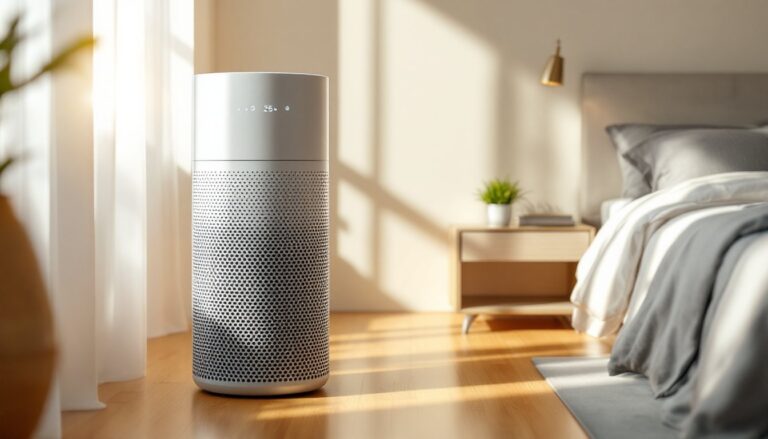
Bedrooms benefit most from air purifier fans. Place the unit 3–4 feet from your bed, away from walls or furniture that could block intake vents. Elevate it on a nightstand or low dresser if possible, this reduces the amount of settled floor dust it re-circulates and improves airflow distribution. Run on low or medium overnight: high settings can disturb sleep with noise and drafts.
Home offices and workshops are prime candidates for air purifier fan combos, especially if you’re sanding, painting, or soldering. Position the unit across the room from your work area so it pulls contaminated air away from your breathing zone. Pair it with an open window or exhaust fan to create cross-ventilation, purifiers supplement airflow but don’t replace proper ventilation when working with VOCs or fine dust.
In living rooms or open-plan spaces, place the unit centrally and away from corners. Corners create dead zones where air doesn’t circulate effectively. If your ceiling fan is running, position the purifier so airflow patterns complement rather than fight each other (e.g., ceiling fan pulling air up, purifier pushing horizontally).
Avoid placing air purifier fans directly under HVAC vents. The forced air from your heating or cooling system can short-circuit the purifier’s intake, reducing efficiency. Leave at least 12 inches of clearance on all sides for unrestricted airflow.
Basements and laundry rooms often have moisture and musty odors. An air purifier fan with a carbon filter helps, but it won’t solve underlying dampness issues. Address water infiltration and consider a dehumidifier first, running a purifier in high-humidity conditions can shorten filter life and promote mold growth inside the unit.
For multi-story homes, don’t assume one unit covers the whole house. Air purifier fans work best in enclosed or semi-enclosed spaces. If you want whole-home coverage, either move a portable unit between high-use rooms or invest in multiple units. Alternatively, upgrade your HVAC system with a whole-house filtration solution (MERV 13+ filters or an in-duct purifier), though that’s a bigger project requiring ductwork modifications and potentially a blower motor upgrade.
Maintenance and Care: Keeping Your Air Purifier Fan Running Smoothly
Pre-filter cleaning is the most frequent task. Most pre-filters are washable mesh or foam: vacuum them every 2–4 weeks or rinse under lukewarm water, then air-dry completely before reinstalling. A clogged pre-filter forces the motor to work harder, raising energy use and noise.
HEPA filter replacement depends on usage and air quality. Manufacturers typically recommend every 6–12 months, but if you run the unit 24/7 in a dusty environment, expect to replace it closer to 6 months. Many units have a filter-life indicator that tracks runtime hours or uses sensors to detect reduced airflow. Don’t ignore it, a spent HEPA filter loses efficiency and can release trapped particles back into the air.
Activated carbon filters (if present) degrade faster than HEPA, especially in homes with strong odors (pets, cooking, smoking). Replace every 3–6 months or when you notice the unit no longer absorbs smells. Some models use a combined HEPA/carbon cartridge: others have separate layers you replace independently.
Wipe down the exterior housing and fan blades (if accessible) monthly with a damp microfiber cloth. Dust buildup on the fan blades reduces airflow and can create noise or vibration. Unplug the unit before cleaning, never spray water or cleaner directly into vents.
Check the air quality sensor lens every few months. Dust or debris on the sensor can cause inaccurate readings and erratic auto-mode behavior. Use a dry cotton swab or canned air to gently clean the sensor window (consult your manual for its location).
If your unit has washable or permanent filters (rare, but some models offer them), follow the manufacturer’s protocol exactly. Some require UV sanitization or specific drying times to prevent microbial growth.
Store replacement filters in a cool, dry place, still sealed in their packaging. Exposure to humidity or temperature swings can degrade filter media before you even install it. When comparing fan and purifier combinations, note the long-term cost of consumables, a cheaper unit with expensive proprietary filters can cost more over three years than a pricier model with affordable, widely available replacements.
Finally, inspect the power cord and plug periodically for fraying or discoloration. If you smell burning plastic or notice the unit cycling on and off unexpectedly, unplug it immediately and contact the manufacturer or a qualified electrician. Most consumer-grade air purifier fans aren’t user-serviceable for motor or electrical issues.
Conclusion
An air purifier fan combo simplifies home air management by filtering pollutants and circulating air in one package. Match the unit’s CADR and filter specs to your room size and air quality needs, prioritize placement for optimal airflow, and stay consistent with filter maintenance. Whether you’re clearing sawdust from a weekend project or managing year-round allergens, the right setup keeps your air cleaner and your space more comfortable without cluttering your floor with multiple devices.